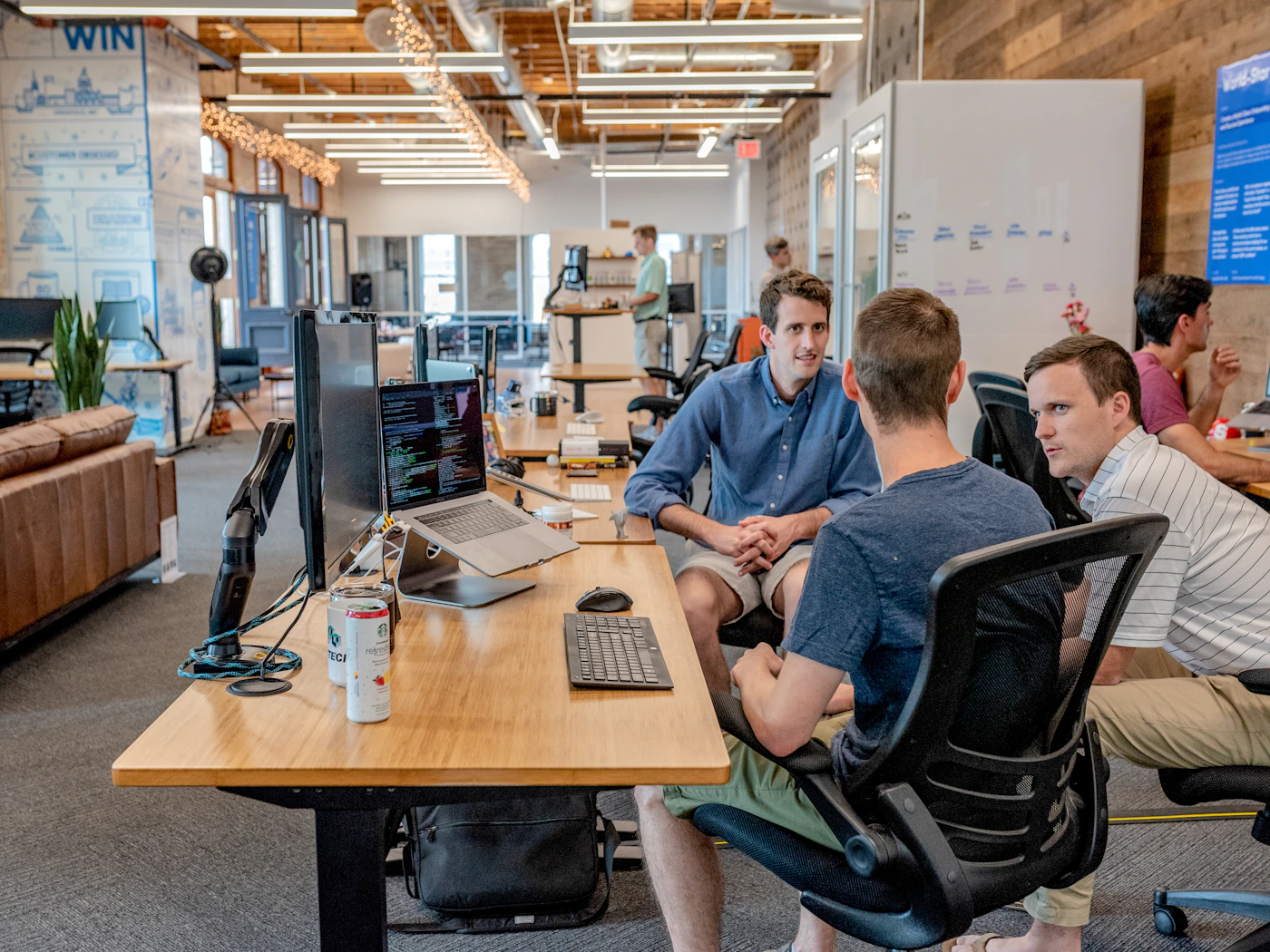
The worst way to find out whether people are focused is to make them feel watched.
A lot of managers sense this intuitively. They install screen trackers, activity dashboards, or “productivity” software because they want clarity. Instead, they create tension. People start managing appearances rather than attention. They keep the cursor moving. They stay online longer. They respond faster. And somehow the real work gets worse.
If you want a healthier answer to how to track focus without surveillance or micromanagement, start here: measure the conditions and outputs of focused work, not the illusion of visible busyness.
That shift matters more than ever in remote and hybrid teams. In a world full of notifications, meetings, context switching, and AI-generated speed, the real performance advantage is not who looks active. It is who can protect depth long enough to produce meaningful progress.
If your team needs a privacy-safe way to make focus visible without turning work into a trust crisis, FocusTrack helps create that evidence layer: https://focustrack.ai
To track focus without surveillance or micromanagement, measure privacy-safe signals such as uninterrupted work blocks, task completion quality, meeting load, context switching frequency, recovery patterns, and self-reported focus friction. Use outcome-based metrics and weekly check-ins instead of screen recording, keystroke logging, or webcam monitoring. The goal is to improve attention conditions while preserving trust and autonomy.
- Why surveillance often damages attention quality instead of improving it
- What to measure instead of screen activity, keystrokes, or visible busyness
- Which privacy-safe indicators reveal focus in remote and hybrid teams
- How to use outcome-based metrics without slipping into micromanagement
- A simple weekly framework for building accountability without surveillance
Why surveillance destroys focus instead of improving it
Surveillance seems efficient because it gives managers more data. But it usually gives the wrong data.
Screen time is not concentration. Keystrokes are not judgment. Online presence is not deep work.
In cognitive performance terms, surveillance creates what I call performance theater: behavior optimized to look productive rather than be productive. When employees know they are being visibly tracked, many stop asking, “What creates the best result?” and start asking, “What behavior reduces risk?”
That changes everything.
Instead of entering flow, people interrupt themselves to stay responsive. Instead of protecting cognitive depth, they perform availability. Instead of doing fewer high-value things well, they scatter across many low-risk actions that generate visible activity.
This also triggers a basic psychological problem: autonomy loss. Research in motivation repeatedly shows that perceived autonomy supports engagement, creativity, and persistence. When workers feel distrusted or controlled too tightly, intrinsic motivation drops and stress rises.
The modern war for output is often a hidden war for attention quality.
For teams already struggling with digital distraction in remote settings, adding more monitoring often increases cognitive overload rather than reducing it. If that sounds familiar, this related guide on managing digital distractions in remote work may help: https://focustrack.ai/blog/overcoming-cognitive-overload-manage-digital-distractions-remote-work.html
What to measure instead of screen activity or keystrokes
If you want to know how to measure focus without micromanaging employees, stop looking for constant observation and start looking for reliable signals.
Think in three layers:
1. Attention conditions
These are the environmental factors that shape whether focused work is even possible.
Examples:
- Number of meetings per day
- Average duration of uninterrupted work blocks
- Frequency of urgent pings or message interruptions
- Time spent switching between tools or projects
- After-hours communication load
These metrics do not spy on people. They reveal whether your system is hostile to concentration.
2. Execution signals
These show whether focused effort is turning into meaningful movement.
Examples:
- Progress against agreed priorities
- Completion rate of high-value tasks
- Quality and completeness of deliverables
- Speed from start to finished output
- Rework frequency due to rushed or fragmented work
This reframes accountability around substance rather than surface activity.
3. Cognitive friction signals
This is where most companies have a blind spot.
Cognitive friction is any recurring force that makes focus harder than it should be: unclear priorities, tool sprawl, notification chaos, fragmented ownership, shallow meeting culture.
You can detect it through:
- Self-reported focus scores
- Common blockers raised in weekly check-ins
- Repeated delays caused by clarification loops
- High start-stop behavior across projects
- Increased error rates during high-interruption periods
That third layer matters because poor focus often isn’t a discipline problem. It’s a systems problem wearing a personal label.
Poor focus is often misdiagnosed as an individual weakness when the real issue is structural friction: too many interruptions, unclear priorities, and fragmented execution paths.
Privacy-safe indicators of focus for remote and hybrid teams
Managers often ask for non-invasive employee monitoring alternatives because they still need some visibility. That need is valid. The answer is not zero measurement. It is better measurement.
Here are privacy-safe productivity metrics that actually tell you something useful:
1. Protected deep work hours
Track how many hours each week are intentionally shielded from meetings and reactive communication.
This does not require watching screens. It requires calendar design and team norms.
Ask:
- Did people have at least 2–3 protected blocks this week?
- Were those blocks respected?
- Did interrupted blocks correlate with lower output quality?
2. Focus continuity
Focus continuity measures how often someone can stay with one meaningful task long enough to make progress before being pulled away.
This can be captured through weekly reflection:
- What percent of your week felt fragmented?
- Where did your attention break most often?
- Which interruptions were avoidable?
This matters because attention fragmentation creates cognitive leakage: mental energy lost in task switching rather than used for execution.
3. Output quality under normal workload
High-quality work completed consistently under realistic conditions is one of the best deep work metrics available.
Look at:
- accuracy
- thoughtfulness
- strategic depth
- revision load
- stakeholder confidence in deliverables
A person producing calm, durable work probably has better focus conditions than someone generating fast but brittle output.
4. Time-to-completion on priority work
Not raw speed across everything—speed on agreed important work.
When priority tasks take longer than expected despite effort, you may be seeing interruption drag rather than laziness or low capability.
5. Recovery patterns
One overlooked signal of sustainable focus is recovery behavior.
If your team can never disconnect, always responds instantly, and shows signs of digital fatigue, their attention system is being depleted faster than it recovers. Over time that destroys judgment and concentration alike.
For deeper context on this pattern in hybrid environments, see this article on digital fatigue and attention overload: https://focustrack.ai/blog/overcoming-digital-fatigue-remote-work-attention-overload.html
Make focus visible without creating a trust crisis
If you need an evidence layer for attention and execution that respects autonomy, FocusTrack helps teams surface meaningful patterns without invasive monitoring.
How to use outcome-based metrics without micromanaging
Outcome-based performance measurement works when expectations are clear and coercion stays low.
It fails when leaders say “we only care about outcomes” but then obsess over every intermediate movement anyway.
Here’s the better model:
Define outcomes at the right altitude
Too vague:
- “Be more productive”
Too controlling:
- “Send me updates every two hours”
Just right:
- “By Friday, deliver version one with these three decisions resolved”
Focused teams need clarity on destination more than control over every step taken there.
Separate visibility from intrusion
Managers need visibility.
People need autonomy.
Those are not opposites unless you design badly.
Use:
- weekly goal commitments
- short async updates
- blocker flags
- end-of-week evidence of progress
Avoid:
- constant status demands
No one does their best thinking while preparing their defense case all day long.
Normalize signal review instead of suspicion review
This is an important distinction.
A suspicion review asks: “Are people working?”
A signal review asks: “What helped focused execution happen—or prevented it?”
The first erodes trust.
The second improves systems.
That mindset shift helps build accountability without surveillance because it turns measurement into diagnosis rather than control.
A simple weekly focus check-in framework for managers
If you need a practical framework for how to track focus without surveillance or micromanagement, use a five-part weekly check-in:
The FOCUS Loop
This is a privacy-safe manager framework designed for modern knowledge teams:
F — Friction
What made focused work harder this week?
Examples:
- too many meetings
- priority changes
- Slack interruptions
- unclear decision ownership
O — Outcomes
What meaningful progress was completed?
Stay concrete.
Not “busy week.”
Instead: “Finished proposal draft,” “resolved three product issues,” “delivered client analysis.”
C — Continuity
Where did people get uninterrupted time?
This reveals whether deep work exists as reality or only as aspiration.
U — Understanding
Were priorities clear enough to support independent execution?
Confusion creates pseudo-productivity—lots of motion, weak results.
S — Sustainability
Did the way work happened feel repeatable without exhaustion?
Because intense output built on chronic depletion is not high performance. It is delayed failure.
The FOCUS Loop gives managers usable attention signals without crossing into invasive tracking—and gives teams language for protecting cognition before burnout appears downstream.
If you want an operating system that turns these kinds of patterns into evidence over time instead of isolated feelings, explore FocusTrack here: https://focustrack.ai
The strongest accountability systems do not rely on constant observation. They rely on clear outcomes, recurring reflection, and visible friction patterns that can actually be improved.
Mistakes teams make when trying to measure attention at work
Even well-intentioned leaders get this wrong in predictable ways.
Mistake 1: Measuring responsiveness instead of focus
Fast replies usually indicate communication pressure—not necessarily effective execution.
In many teams, the most interrupted people look like the most engaged people right up until output quality slips.
Mistake 2: Confusing visible effort with valuable progress
Busyness scales anxiety.
Execution scales results.
These are different currencies.
Mistake 3: Overcorrecting into no accountability at all
Privacy-safe measurement does not mean vague management.
People still need goals, deadlines, feedback loops, and mutual responsibility.
Trust works best when paired with clarity.
Mistake 4: Ignoring manager-created distraction
Sometimes employees do not lack discipline.
They lack protection from leader-generated interruption patterns: excessive check-ins, unclear requests, shifting priorities, meeting sprawl.
Mistake 5: Treating every role as if focus looks the same
A designer’s deep work rhythm differs from a support lead’s.
An analyst’s interruption tolerance differs from a sales manager’s.
Your measurement model should reflect role reality—not impose one universal template.
What great accountability looks like without surveillance
Great remote team accountability feels surprisingly calm.
People know what matters.
They have room to think.
Progress becomes visible through outputs and patterns.
Blockers surface early.
Trust stays intact.
Measurement supports performance instead of punishing humanity.
That kind of culture matters even more now because AI has changed the optics of work. More content can be produced faster than ever—but fast generation does not equal sound thinking. The premium skill increasingly lies in directing intelligence well: choosing what deserves depth, verifying quality, sustaining judgment under noise.
In other words: operator intelligence beats activity theater every time.
For leaders navigating cognitive strain inside management itself—not just among employees—this piece on burnout’s impact on leadership judgment adds useful context: https://focustrack.ai/blog/mental-fatigue-burnout-impact-managers-leadership-cognitive-resilience.html
Conclusion
If you want to track focus without surveillance or micromanagement, don’t ask how closely you can watch people. Ask how clearly you can see meaningful progress without damaging trust.
Measure:
- protected time
- continuity of attention
- delivery quality
- priority completion
Listen for:
- friction
- overload
- fragmentation
- confusion
Protect:
- autonomy
- clarity
- recovery
- deep work conditions
Surveillance measures motion.
Good leadership measures reality.
And reality is simple: focused teams do better work when they are trusted enough to think deeply and supported enough to execute consistently.
If you want a modern evidence layer for attention and execution—without turning management into monitoring—start with FocusTrack: https://focustrack.ai
Build accountability without surveillance
Use privacy-safe signals, outcome-based metrics, and better focus evidence to support deep work without damaging trust.
FAQs
How do you measure employee focus without spying?
Measure privacy-safe signals like uninterrupted work blocks, completion quality, progress on priorities, frequency of context switching, and self-reported blockers. This lets you understand attention patterns without recording screens or monitoring keystrokes.
What are alternatives to employee monitoring software?
Strong alternatives include outcome-based performance measurement, weekly focus check-ins, protected deep work scheduling, workload reviews, blocker tracking, and team-level attention analytics that preserve autonomy and trust instead of surveilling individuals directly so heavily they cannot think clearly anymore.
Can managers track productivity without micromanagement?
Yes. Managers can set clear outcomes, review progress asynchronously, identify recurring friction points, and use consistent check-ins instead of constant oversight. The key is making expectations explicit while leaving room for independent execution paths from capable adults doing knowledge work.
What metrics show deep work or focused time?
Useful deep work metrics include protected calendar blocks, low interruption frequency during priority tasks, time-to-completion on important projects as well as output quality with lower rework rates. These indicators are much more reliable than mouse movement or online status.
How do you build accountability without surveillance?
Build accountability through clear commitments, shared priorities, visible outcomes, regular retrospectives, and privacy-safe review of friction, continuity, and delivery quality. The goal is to create clarity and mutual responsibility without invasive monitoring.