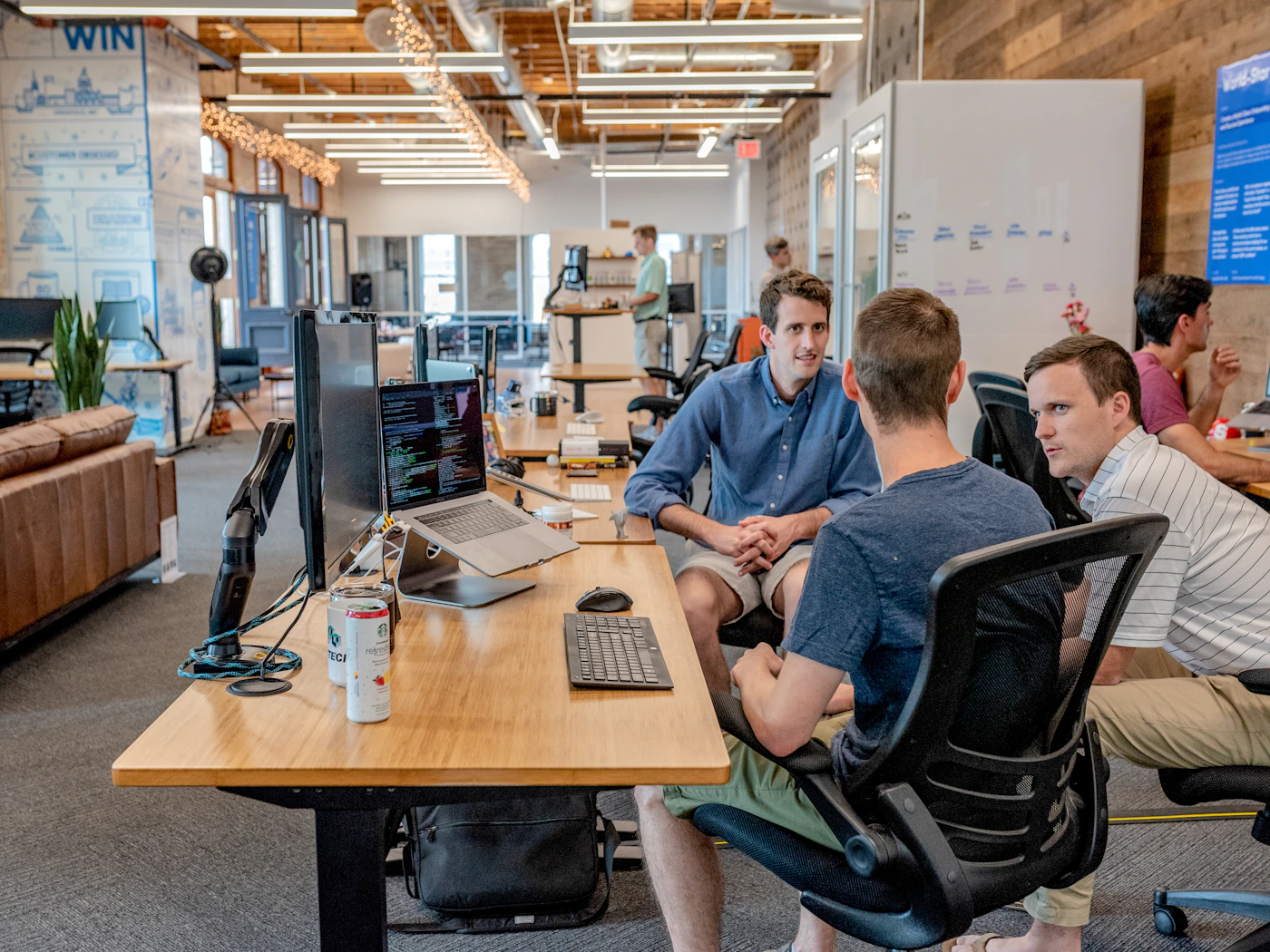
A team can look busy all day and still be cognitively broken by 3 p.m.
That is the modern management trap. Slack is active. Meetings are full. Tasks are moving. Dashboards say people are “online.” But underneath the surface, attention is shredded, recovery is gone, and nobody has enough uninterrupted depth to do their best thinking. The result is familiar: more activity, worse judgment, slower execution.
If you are searching for team focus metrics beyond productivity tracking, you are probably already sensing the problem. You do not want surveillance. You do not want micromanagement theater. You want a better way to see whether your team has the conditions required for real work.
If that is your goal, FocusTrack can help you build an evidence layer for attention and execution without reducing people to keystrokes or screenshots: https://focustrack.ai
The short answer
To measure team focus without tracking productivity, managers should monitor signals that reflect attention quality rather than output volume: interruption load, meeting fragmentation, protected focus block completion, task-switching frequency, recovery gaps, and perceived cognitive overload. These metrics reveal whether a team can sustain deep work, make decisions clearly, and execute consistently without invasive monitoring.
Why productivity tracking fails to measure team focus
Most productivity tracking systems measure visible activity because activity is easy to count.
That is exactly why they fail.
Hours logged, mouse movement, app usage, message counts, and task totals may tell you people are doing something. They do not tell you whether they had enough uninterrupted time to think well, solve complex problems, or finish meaningful work without cognitive drag.
This distinction matters because focus is not the same as effort.
A person can spend eight intense hours reacting to pings, jumping between tasks, attending meetings, and answering “quick questions” while producing low-quality decisions by the end of the day. That is not laziness. It is attentional depletion.
In cognitive science terms, every context switch carries a reorientation cost. Working memory has limits. Executive control fatigues under constant interruption. When managers only track outputs or online activity, they miss the invisible tax being paid by the brain.
The deeper issue is cultural. Productivity tracking can create monitoring anxiety. Once people feel watched at the level of motion instead of trusted at the level of outcomes and conditions, performance often becomes performative. They optimize for looking active rather than protecting depth.
That is why measuring team focus requires a different lens.
The core distinction
Productivity tracking measures visible motion. Team focus metrics measure whether the environment supports concentrated work, recovery, and sound judgment.
What team focus metrics actually measure
Team focus metrics are not about spying on individuals. They are about measuring whether the environment supports concentrated work.
In practice, these metrics answer questions like:
- How often is deep work being interrupted?
- How fragmented are working days?
- How much meeting spillover is damaging execution time?
- How frequently must people switch contexts?
- Do employees have enough recovery space between cognitive demands?
- Is the team building attention strength or accumulating attention debt?
The Team Attention Debt model
Attention debt is what builds up when a team repeatedly borrows from its future mental clarity in order to survive the present day.
Just like sleep debt or technical debt, it compounds quietly.
A team accumulates attention debt when it experiences:
- constant interruptions
- back-to-back meetings
- reactive communication norms
- low recovery time
- fragmented priorities
- excessive tool switching
- unclear decision ownership
At first, everything still looks functional. Then quality drops. Follow-through weakens. Simple tasks take longer. Emotional reactivity increases. Strategic thinking disappears first.
Managers who learn to detect attention debt early gain a real operator advantage.
What attention debt looks like in practice
When a team keeps borrowing from future clarity, the first losses are rarely visible in dashboards. They show up as weaker judgment, slower follow-through, and less strategic thinking.
7 team focus metrics managers should track instead
1. Interruption load
Interruption load measures how often focused work gets broken during key execution windows.
This does not require spyware. A manager can track it through:
- calendar overlap with intended focus blocks
- number of unscheduled pings requiring same-hour response
- self-reported interruptions per day or per project phase
- emergency requests that could have been asynchronous
A useful threshold question: how many times does the average person have to abandon a thought before lunch?
That number matters more than many output dashboards ever will.
2. Focus block completion rate
This measures how often planned deep work sessions actually happen as intended.
For example:
- Team member planned two 90-minute blocks
- One was consumed by meetings
- One was split into three shorter reactive fragments
On paper, they “worked all day.” In reality, deep work never happened.
Track:
- planned focus blocks vs completed blocks
- average length of uninterrupted work sessions
- percentage of weekly calendar protected for concentration
This reveals whether your team has execution capacity or only intention capacity.
3. Meeting fragmentation score
Not all meetings are bad. The real issue is fragmentation.
A single strategic session may be fine. Five scattered calls across a day can destroy momentum because they prevent entry into depth and make recovery impossible.
Measure:
- number of meetings per day
- average gap between meetings
- percentage of days with back-to-back calls
- number of sub-30-minute gaps too short for meaningful deep work
This creates a clearer picture than “meeting hours” alone.
4. Task-switching frequency
One of the strongest hidden predictors of poor cognitive performance is rapid context switching.
If someone shifts between strategy docs, customer messages, admin tasks, meetings, and AI-generated review loops all before noon, their brain pays transition costs each time. In an AI-rich environment where drafts and requests arrive faster than humans can thoughtfully process them, task switching becomes even more dangerous because intake expands faster than judgment capacity.
Track:
- number of projects touched in a day
- role-based tool changes
- shifts between synchronous and asynchronous tasks
- self-reported “pulled in too many directions” frequency
You are not punishing versatility here. You are diagnosing cognitive leakage.
5. Recovery gap quality
Focus is not just built during work blocks. It also depends on what happens between them.
The brain needs short resets after demanding effort for executive function to remain stable. Without recovery gaps, even high performers slide into decision fatigue and shallow thinking.
Measure:
- average time between high-intensity meetings
- lunch interruption rate
- presence of no-meeting zones
- whether employees have at least one longer reset window in the day
Small breaks matter more than many managers think. If this topic resonates, our guide on micro-breaks explains why they restore focus better than sheer willpower: https://focustrack.ai/blog/overcoming-digital-burnout-how-micro-breaks-restore-focus-in-an-ai-driven-workday.html
Build a healthier focus system for your team
If you want evidence for attention quality without invasive monitoring, FocusTrack helps managers see interruption patterns, overload risk, and execution conditions more clearly.
6. Attention quality check-ins
You do not need invasive software to gather valuable data. Sometimes one well-designed weekly question reveals more than ten dashboards.
Try short pulse questions like:
- Did you have enough uninterrupted time to do your most important work this week?
Scale: 1–10 - How cognitively fragmented did your average workday feel?
Scale: 1–10 - What most often broke your concentration?
Options: meetings, messages, unclear priorities, urgent requests, tool overload
This gives you psychological signal without creating monitoring anxiety.
7. Deep work protection ratio
This measures how much of the team's most valuable work truly receives environmental protection.
Look at:
- strategic work scheduled during low-interruption windows
- important projects assigned dedicated depth time
What managers should measure instead
The strongest team focus metrics beyond productivity tracking are the ones that reveal whether deep work is protected, interruptions are controlled, and recovery is possible. That is how to measure team focus without tracking productivity in a way people can trust.
Frequently Asked Questions
What are team focus metrics beyond productivity tracking?
They are indicators that measure attention quality and work conditions rather than visible activity or output volume. Examples include interruption load, meeting fragmentation, focus block completion, task-switching frequency, recovery gaps, and attention quality check-ins.
How can managers measure team focus without tracking productivity?
Managers can measure team focus without tracking productivity by monitoring environmental signals such as calendar fragmentation, unscheduled interruptions, protected deep work time, recovery windows, and short weekly pulse questions about cognitive overload and concentration quality.
Why does productivity tracking fail to measure focus?
Because productivity tracking usually measures visible activity like hours logged, message counts, or app usage. Those signals do not show whether people had enough uninterrupted time to think clearly, make strong decisions, or complete meaningful work without cognitive drag.
What is attention debt in a team?
Attention debt is the accumulated cognitive cost of repeated interruptions, fragmented priorities, back-to-back meetings, low recovery time, and excessive switching. It builds quietly and eventually reduces quality, follow-through, and strategic thinking.
What should managers track instead of employee surveillance?
Managers should track conditions that support deep work: interruption load, meeting fragmentation score, focus block completion rate, task-switching frequency, recovery gap quality, attention quality check-ins, and deep work protection ratio.
Measure focus health without creating monitoring anxiety
FocusTrack helps managers move beyond output surveillance and build a clearer picture of attention, overload, and execution quality across the team.